
The Future of Automatic Sliding Doors: Transforming Spaces with Cutting-Edge Technology
Estimated reading time: 7 minutes
- Automatic sliding doors are revolutionizing accessibility and security.
- Smart technologies are enhancing functionality and efficiency.
- Recruitment strategies must adapt to fill technology-related skill gaps.
- Investing in automatic sliding doors boosts customer experience and efficiency.
- AI is playing a crucial role in streamlining recruitment processes.
Table of Contents
- The Evolution of Automatic Sliding Doors
- The Role of Smart Technology
- How This Affects Recruitment and HR Practices
- The Business Growth Potential
- The Challenges Ahead
- The Role of AI in Recruitment
- Conclusion
- FAQ
The Evolution of Automatic Sliding Doors
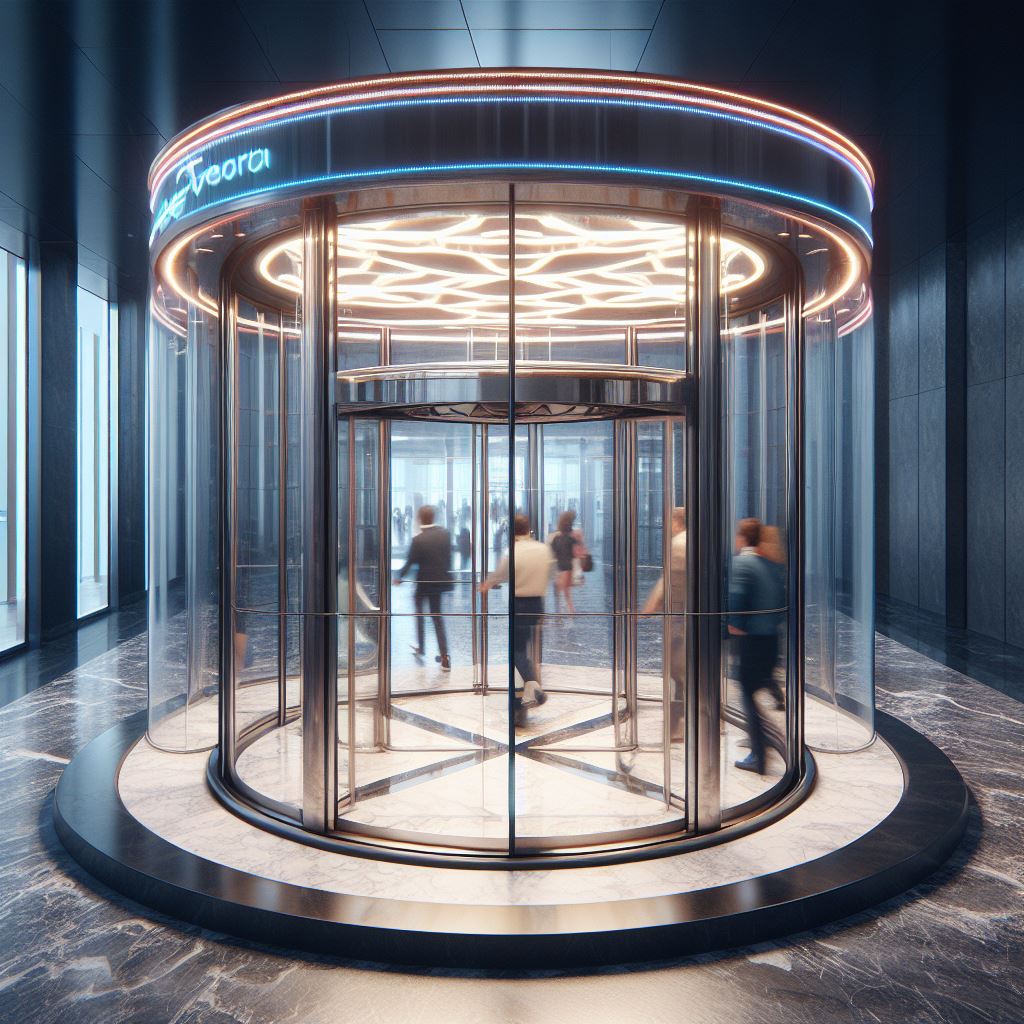
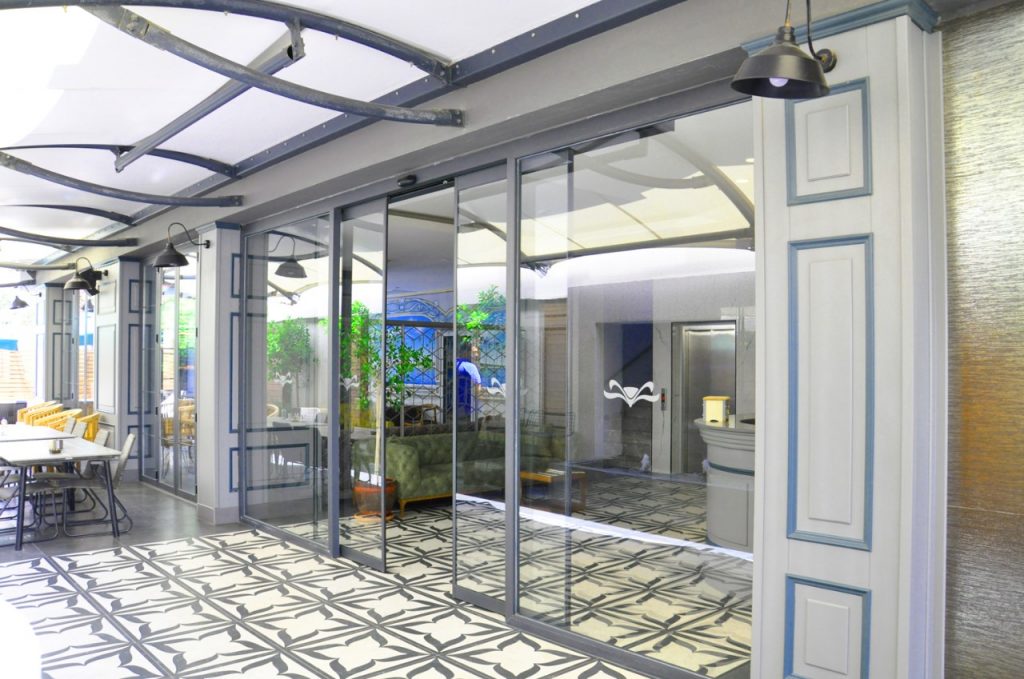
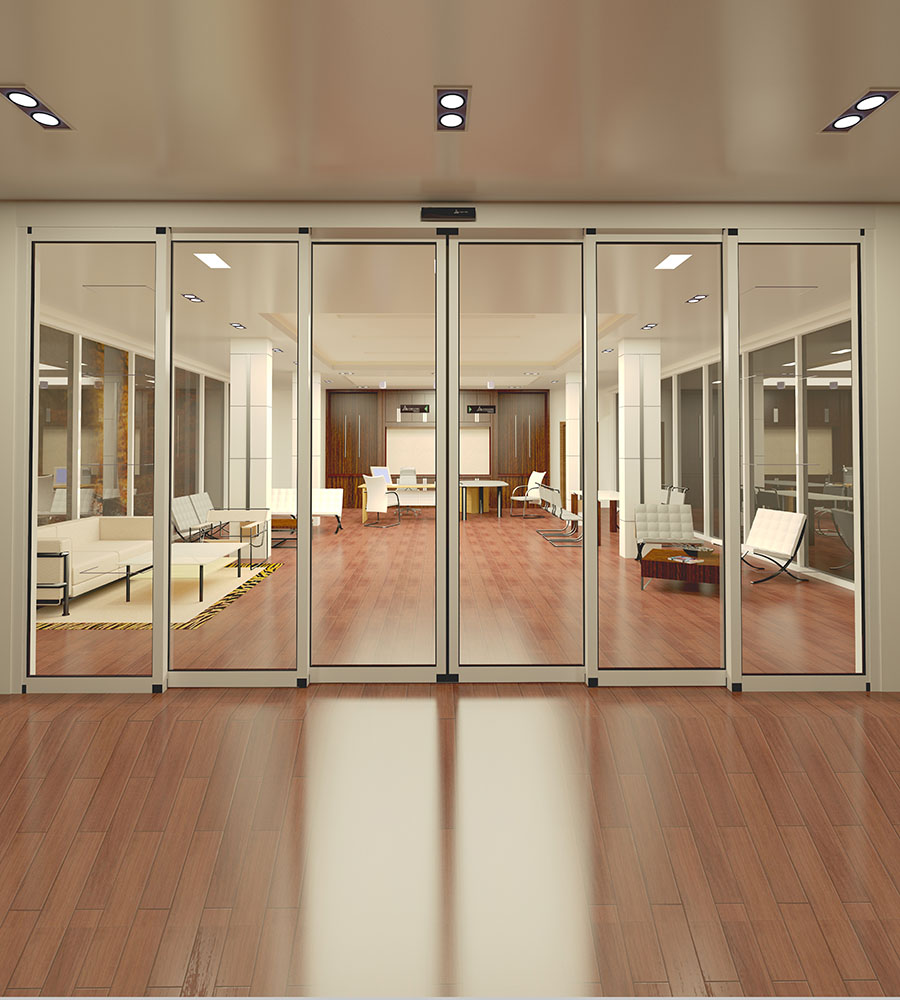
Automatic sliding doors have come a long way since their inception. Initially designed for convenience, they have evolved into sophisticated systems that integrate various technologies to enhance functionality and usability. Today, these doors are not only about opening and closing; they are a central element of accessibility and security in commercial spaces.
This evolution can be attributed to several factors, including technological advancements, a push for operational efficiency, and changing customer preferences. As businesses strive to provide seamless experiences, the function of automatic sliding doors extends beyond mere entrance solutions to incorporate aspects of design, safety, and automation.
The Role of Smart Technology
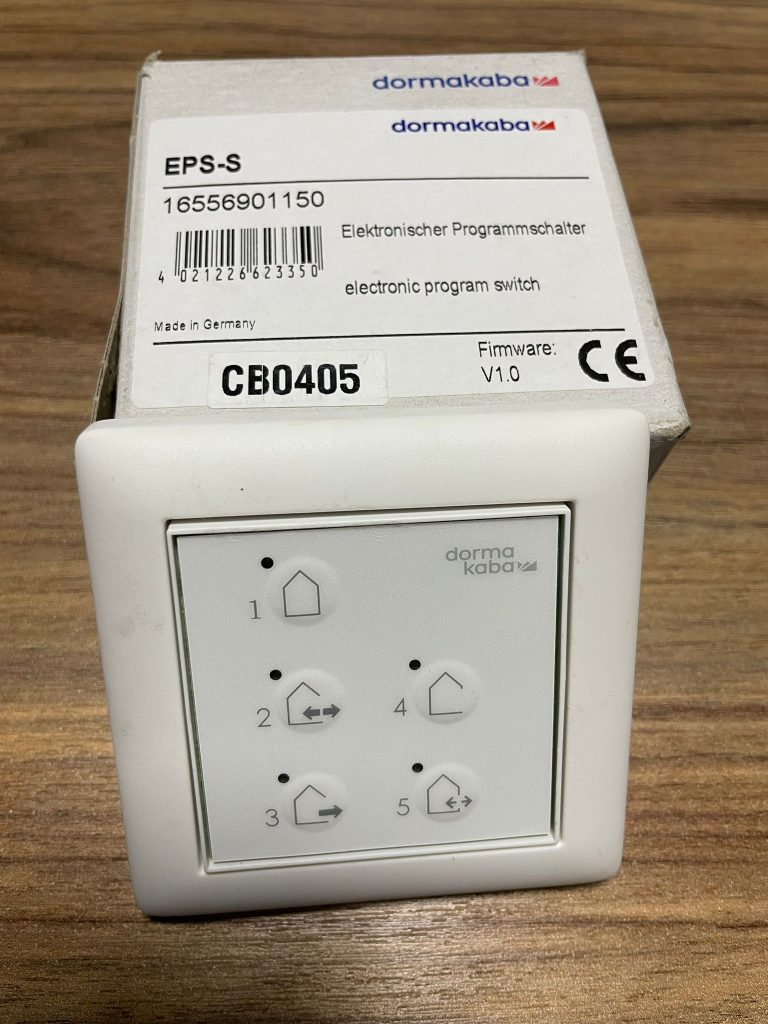
Smart technologies are at the forefront of the evolution of automatic sliding doors. These innovations can significantly enhance the functionality, efficiency, and security of door systems. For instance, the integration of IoT (Internet of Things) technology allows doors to communicate with other building systems, enabling more efficient workflow management.
- Data Utilization: Automatic sliding doors equipped with sensors and data analytics capabilities can collect valuable insights about foot traffic patterns, peak hours, and user behavior. By analyzing this data, businesses can effectively allocate resources and improve customer interactions.
- Enhanced Security: With the rising concerns around safety, many modern sliding doors come with advanced security features, such as biometric scanners and integrated alarm systems that ensure controlled access.
- User-Friendliness: Cutting-edge automatic systems are designed to create a seamless experience. Features such as gesture control, voice activation, and mobile app interfaces allow users to interact with doors effortlessly, catering to a broad audience, including individuals with disabilities.
How This Affects Recruitment and HR Practices
As we delve into the exciting developments surrounding automatic sliding doors, it becomes evident that industries are increasingly reliant on automation and technology. This trend presents unique challenges and opportunities for recruiters and HR professionals.
The shift towards smart technology means that businesses require professionals with specialized skills. As such, the recruitment industry must adapt to fill these gaps. Here are a few actionable takeaways for HR professionals:
- Embrace Continuous Learning: Ensure that your recruitment strategies prioritize candidates who exhibit a willingness to learn. Encourage existing employees to participate in upskilling programs related to technology and automation within the industry.
- Focus on Soft Skills: The rise of automation does not diminish the need for interpersonal interaction. Seek candidates who possess strong soft skills, such as communication and collaboration, as they will be essential in managing automated systems effectively.
- Expand Your Talent Pool: With the evolving technology landscape, consider diversifying your recruitment sources. Collaborate with technical schools or universities where students are being trained in the latest smart technologies.
- Utilize Virtual Assistants: To streamline recruitment processes, consider integrating virtual assistants. They can manage scheduling, initial interviews, and data collection, allowing HR teams to focus on strategic decision-making.
The Business Growth Potential
Investing in automatic sliding doors not only enhances operational efficiency but also contributes significantly to business growth. A well-designed entrance can impact customer perceptions, sales, and overall satisfaction. Here’s how:
- Improved Customer Experience: Automatic sliders offer convenience and accessibility, which are increasingly important factors for consumers. A positive first impression can lead to repeat visits and increased customer loyalty.
- Energy Efficiency: Modern automatic sliding doors are designed to minimize energy loss. Features such as sensors that adjust the opening speed based on traffic can reduce heating and cooling costs, thereby improving the bottom line.
- Brand Image: A business that adopts advanced technology projects an image of innovation and forward-thinking. This perception can attract new customers and repel competitors, positioning the business as a leader in its field.
The Challenges Ahead
Despite the numerous benefits of automatic sliding doors, the industry faces challenges, particularly in recruitment and talent acquisition. As mentioned, the need for skilled professionals who understand both the technology and installation processes is critical.
Moreover, businesses must be prepared for the hurdles associated with retaining talent in a competitive labor market. Strategies to consider include offering competitive salaries, providing professional development opportunities, and fostering a collaborative work environment.
The Role of AI in Recruitment
Artificial intelligence (AI) is becoming increasingly relevant in HR recruitment strategies. AI can facilitate talent acquisition by automating tedious tasks and analyzing vast datasets to identify the best-fit candidates. Here are some benefits:
- Efficiency: AI tools can streamline the hiring process by analyzing resumes and highlighting suitable candidates quickly.
- Bias Reduction: Leveraging AI can help minimize unconscious bias in the recruitment process, fostering diversity and inclusion.
- Enhanced Candidate Experience: Automated systems allow for swift communication with candidates, ensuring they are kept informed throughout the hiring process.
Conclusion
The future of automatic sliding doors is intrinsically linked to the advancements in technology, operational efficiency, and customer experience. As businesses continue to embrace these innovations, it’s essential to recognize the accompanying challenges, particularly in recruitment.
For HR professionals, adapting to these changes, expanding talent pools, and embracing technology like AI and virtual assistants will be crucial to thriving in the evolving landscape.
At DELEGG, we are here to support your business growth journey. Our expertise in task delegation, lead generation, and the utilization of virtual assistants can streamline your operations and free up valuable time for your team. If you would like to learn more about how we can assist in enhancing your efficiency, please contact us today.
FAQ
- What are the benefits of automatic sliding doors? Automatic sliding doors enhance accessibility, security, and customer experience while improving operational efficiency.
- How does smart technology impact automatic sliding doors? Smart technology allows for better integration with building systems, enhancing functionality and safety.
- What recruitment challenges are associated with the rise of automation? Businesses need skilled professionals for technology-related roles, leading to a demand for specialized training and hiring strategies.
- What role does AI play in recruitment? AI can improve the hiring process by automating tasks and analyzing candidate data for better fit assessments.
- How can businesses improve their brand image with automatic sliding doors? Adopting advanced door technology creates an impression of innovation, attracting customers and strengthening market position.