
Revolving Door Mechanisms
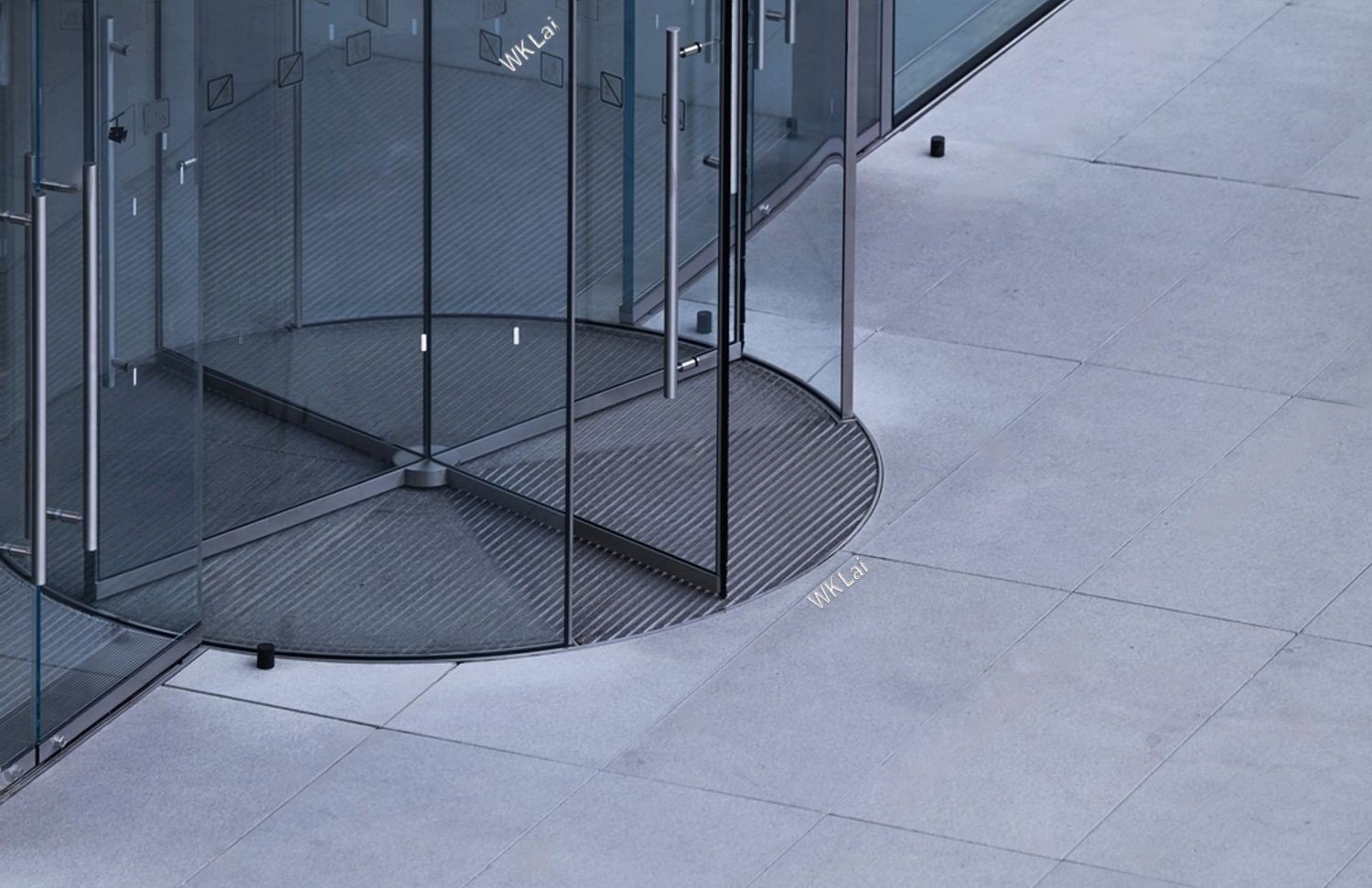
Revolving door mechanisms can vary, but they generally consist of a few key components and types. Here’s an overview:
1. Types of Revolving Doors
- Manual Revolving Doors: Operated by pushing the wings; simpler and often less expensive.
- Automatic Revolving Doors: Equipped with sensors and motors to facilitate smooth operation without manual effort.
2. Key Components
- Door Wings: The panels that rotate around a central axis.
- Drive Mechanism: For automatic doors, this includes motors and belts that control the rotation.
- Control System: Sensors that detect movement, ensuring the door opens or stops as needed.
- Base and Central Shaft: The structural component that supports the door and allows for rotation.
- Safety Features: Sensors or emergency stop buttons to prevent accidents.
3. Operation Mechanisms
- Mechanical Operation: In manual doors, a simple push initiates movement.
- Electromechanical Operation: In automatic doors, the drive mechanism uses motors activated by sensors to rotate the door smoothly.
4. Safety Features
- Motion Sensors: Detect people approaching to ensure safe operation.
- Anti-Collision Systems: Prevents the door from closing on objects or individuals.
- Emergency Stop Mechanisms: Allows users to halt the door quickly in case of an emergency.
5. Energy Efficiency
- Many modern mechanisms are designed to minimize energy loss by effectively sealing off entrances.
6. Maintenance Requirements
- Regular maintenance is crucial to ensure the mechanisms function smoothly and safely, including lubrication and checks for wear.
7. Smart Features
- Some advanced models include connectivity options for monitoring and control via mobile apps or building management systems.
If you’re looking for more specific details about a particular type of mechanism or manufacturer, just let me know!
Diğer yazılar

Dorma Fotoselli Kapı: Güvenilir ve Modern Otomatik Kapı Sistemleri
Dorma Fotoselli Kapı: Güvenilir ve Modern Otomatik Kapı Sistemleri
Devamını oku
Door Parts Reliable Solutions for Automatic Doors and Window Hardware
Quality door parts support smooth operation, dependable access, and practical maintenance. From automatic sliding doors to everyda…
Devamını oku
Dorma DK Tech 120 Kayar Kapı Mekanizması
Dorma DK Tech 120 Teknik Özellikleri Aşağıdaki değerler üreticinin resmi ürün sayfasında belirtilen teknik verilerdir: Bu teknik d…
Devamını oku